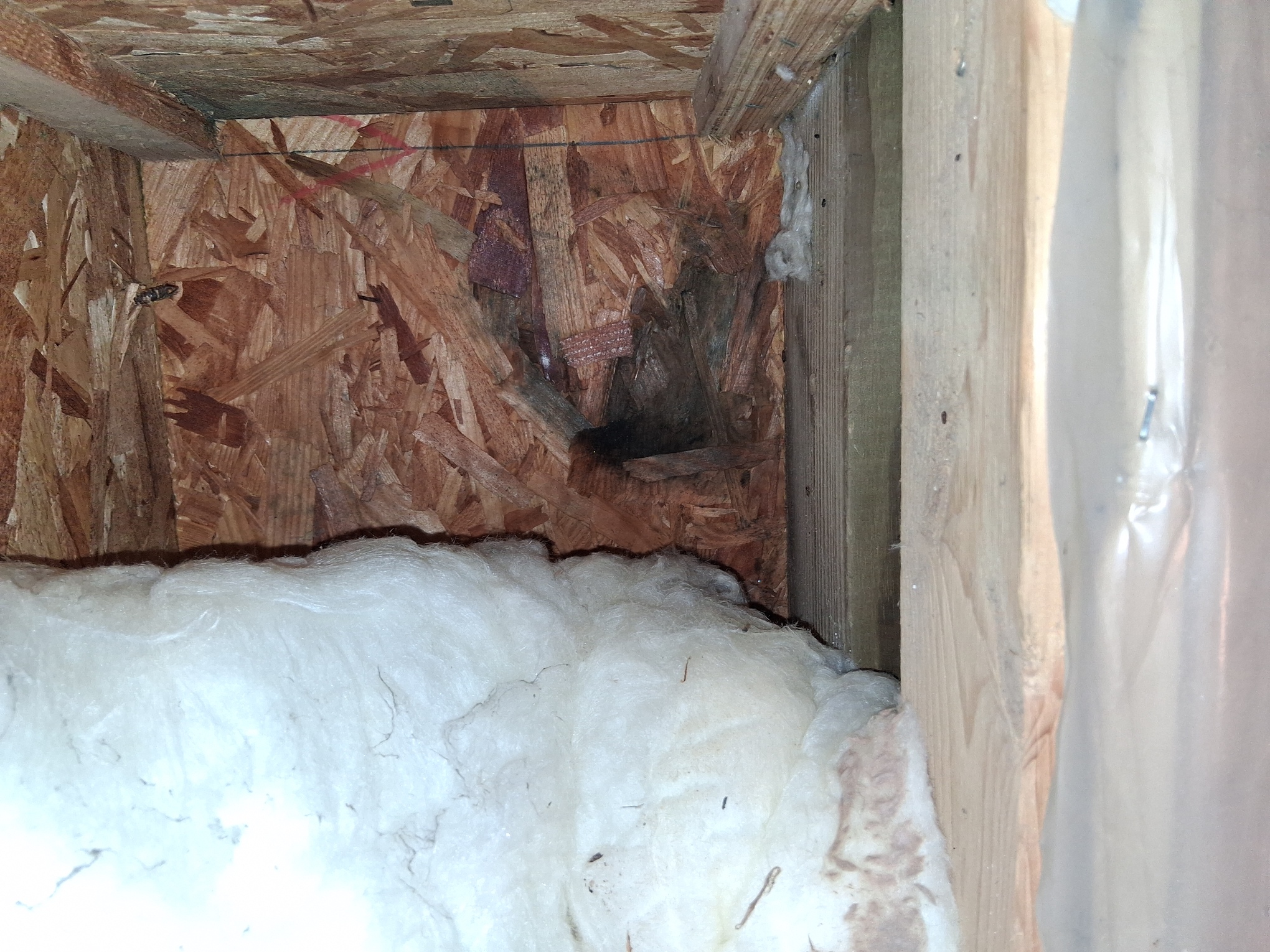
Winter is not normally associated with mold, as it is often assumed that winter = dry, and so no mold can grow. Mold experts know this is not true. Winter is a time when condensation in hidden areas of the home can cause mold growth, affecting the health of the residents. All that is needed for condensation is a cold surface and humid air. The colder the surface, the higher the chance. The humidity inside a Wisconsin home is generally high enough to cause an issue with normal human activity. When humidifiers are added, the problem is exacerbated.
What is more, people are locked up with windows closed and tight houses in the Winter and so health problems can suddenly appear out of nowhere. The tightness of our homes creates a problem for not only air flow/humidity, but also carbon dioxide and other air quality problems. It often amplifies illnesses as pathogens such as mold become more concentrated. And yes, dry/dormant mold is just as dangerous as wet/growing mold.
The other misconception is that adding insulation - such as to a basement/crawlspace- is going to resolve the issue. Being warm is nice, but the techniques used by most contractors for insulating surfaces in a basement or crawlspace creates a perfect situation for mold to form. There is a right way and a wrong way.
There are many ways to prevent mold from growing inside a home in the winter, but first the mold needs to be eliminated so you can start fresh.
.png)

.avif)